Good Trouble Lives On in Foley Square
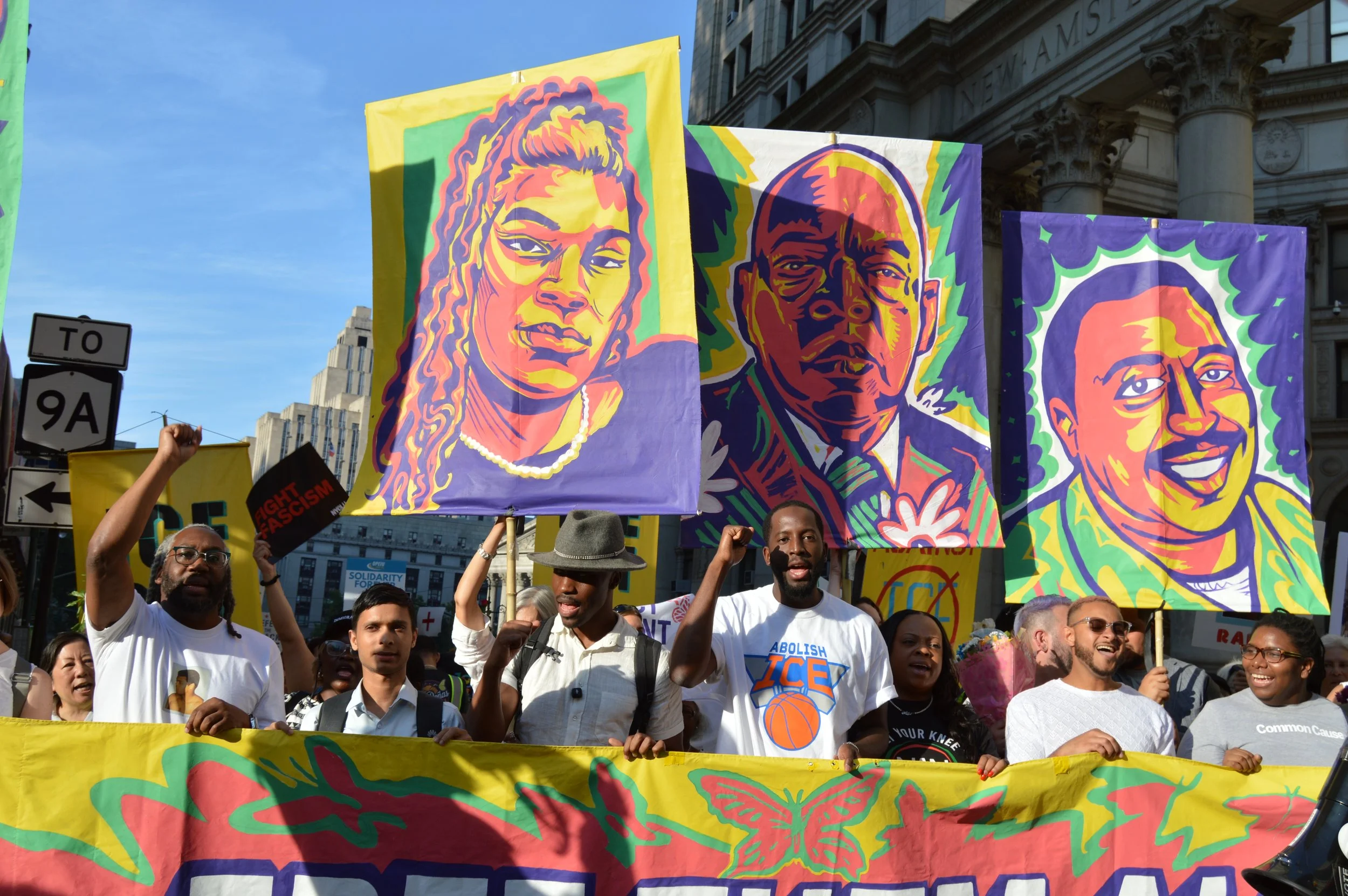
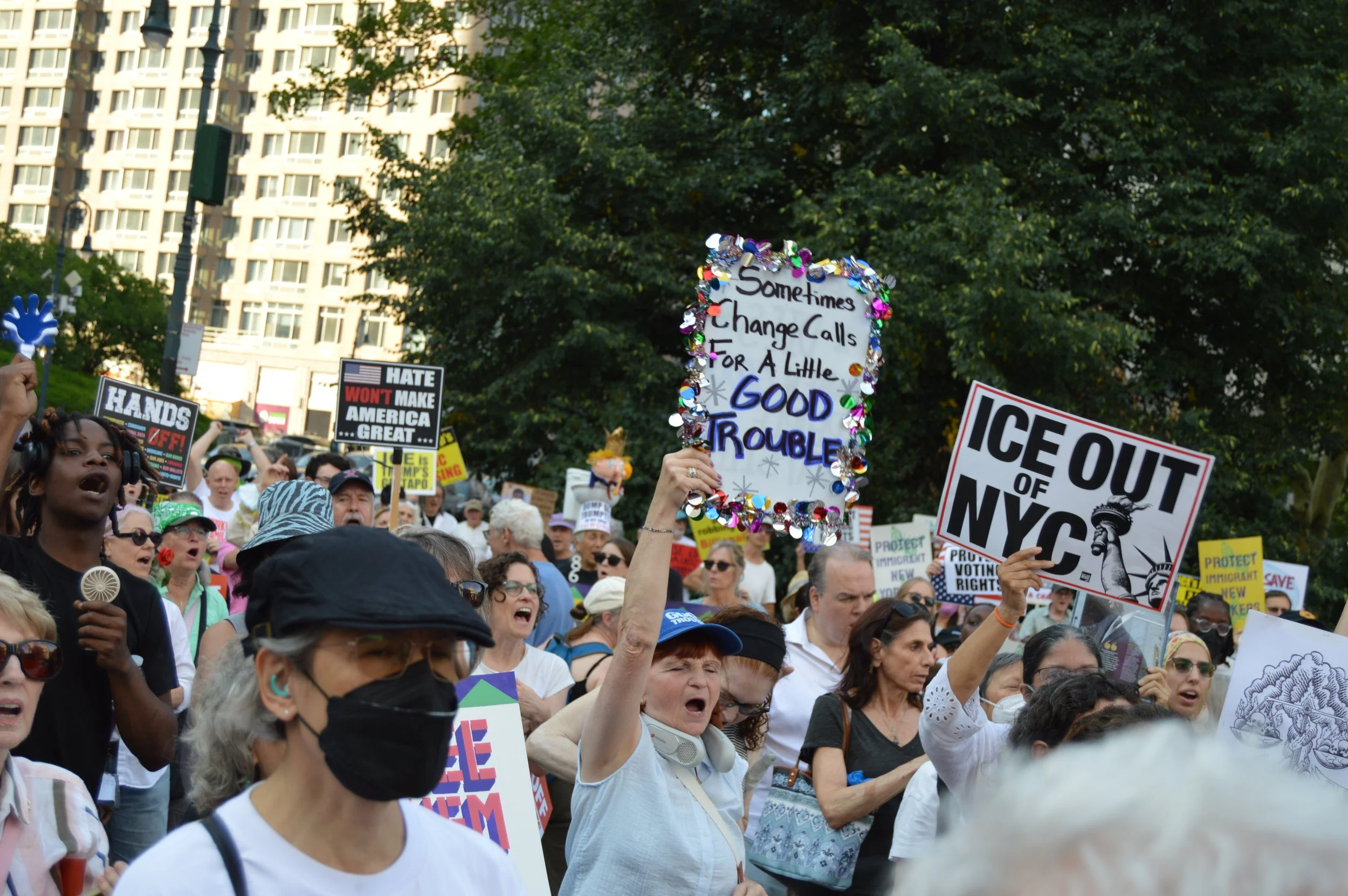
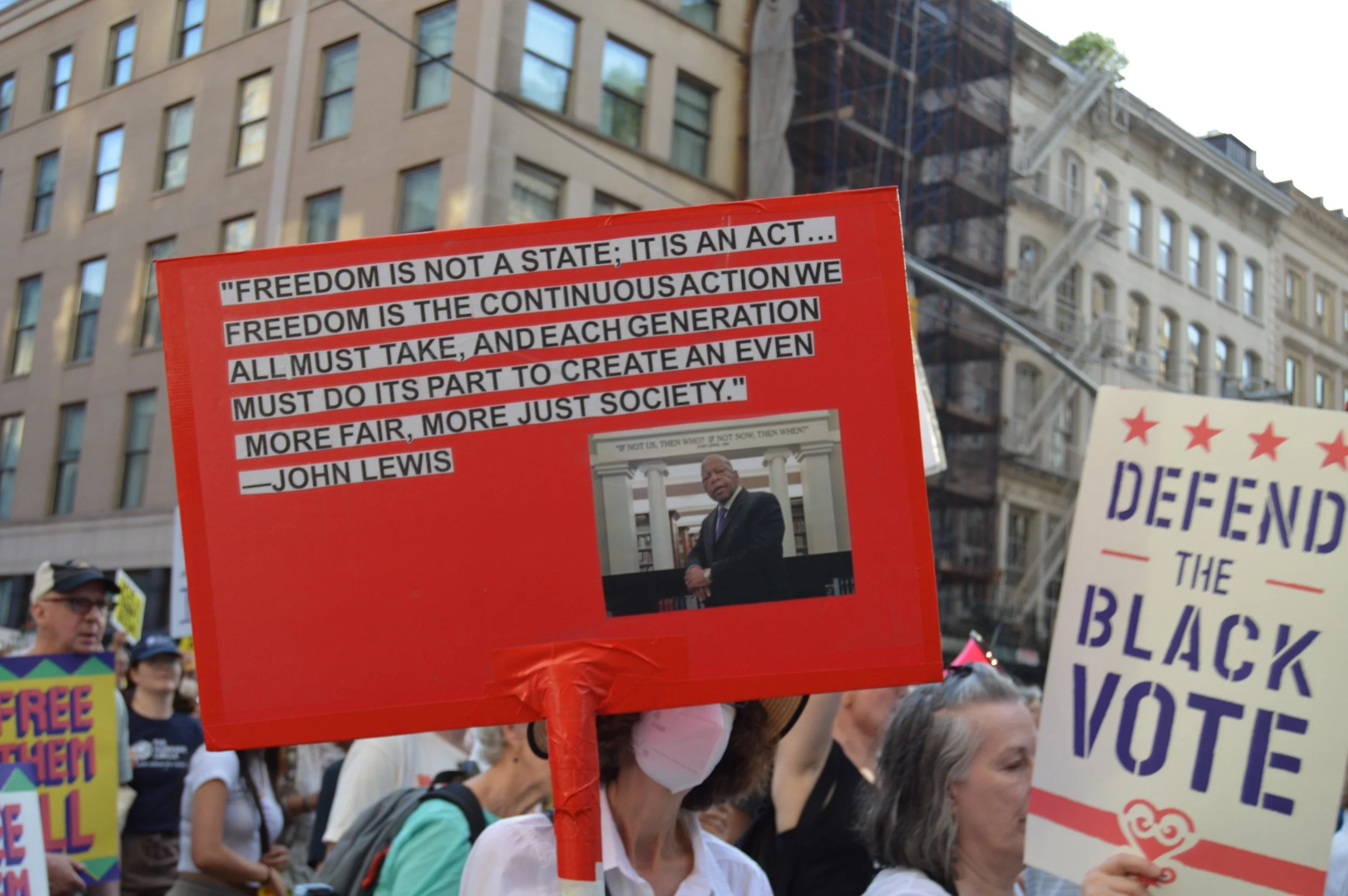
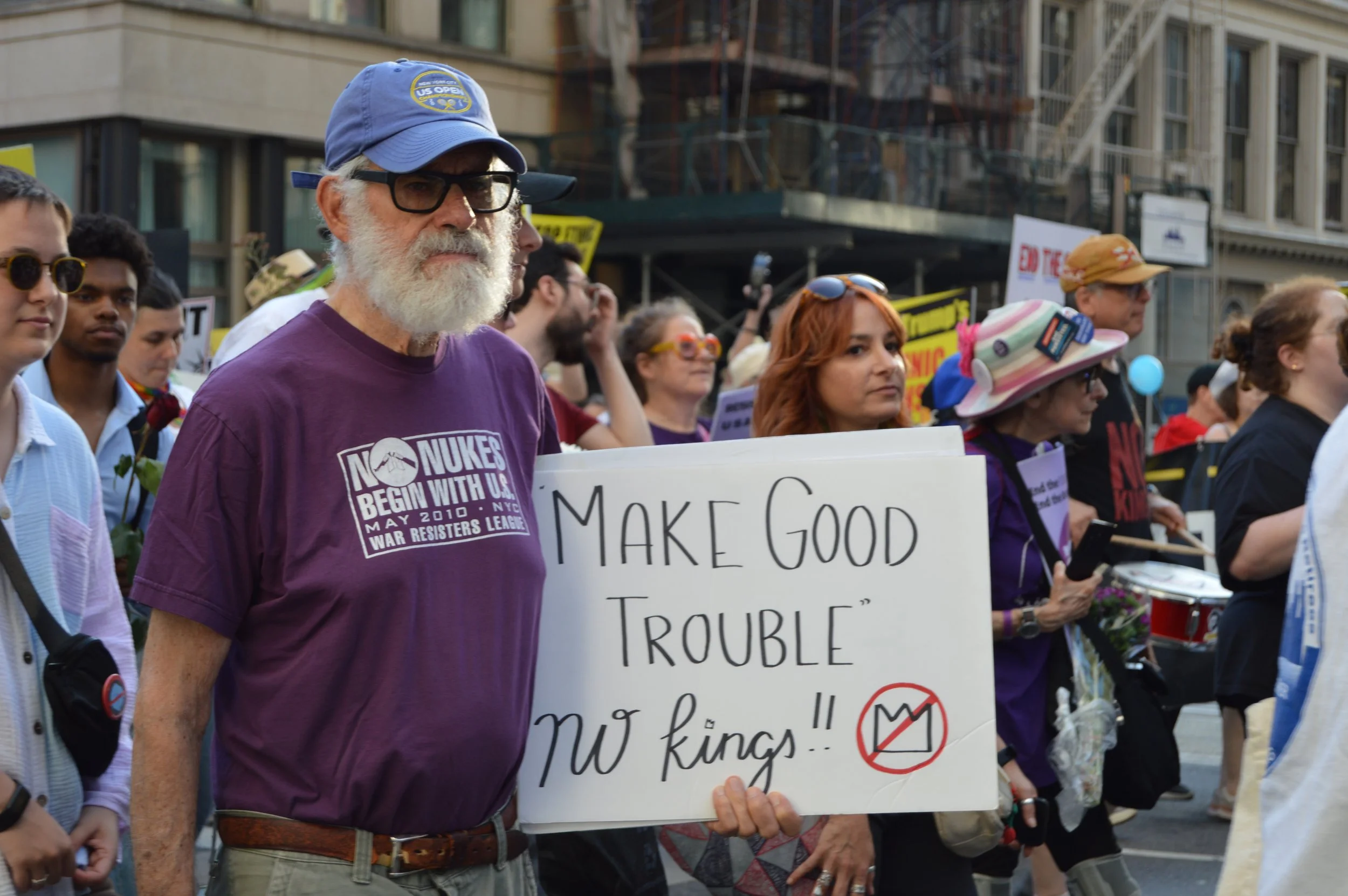
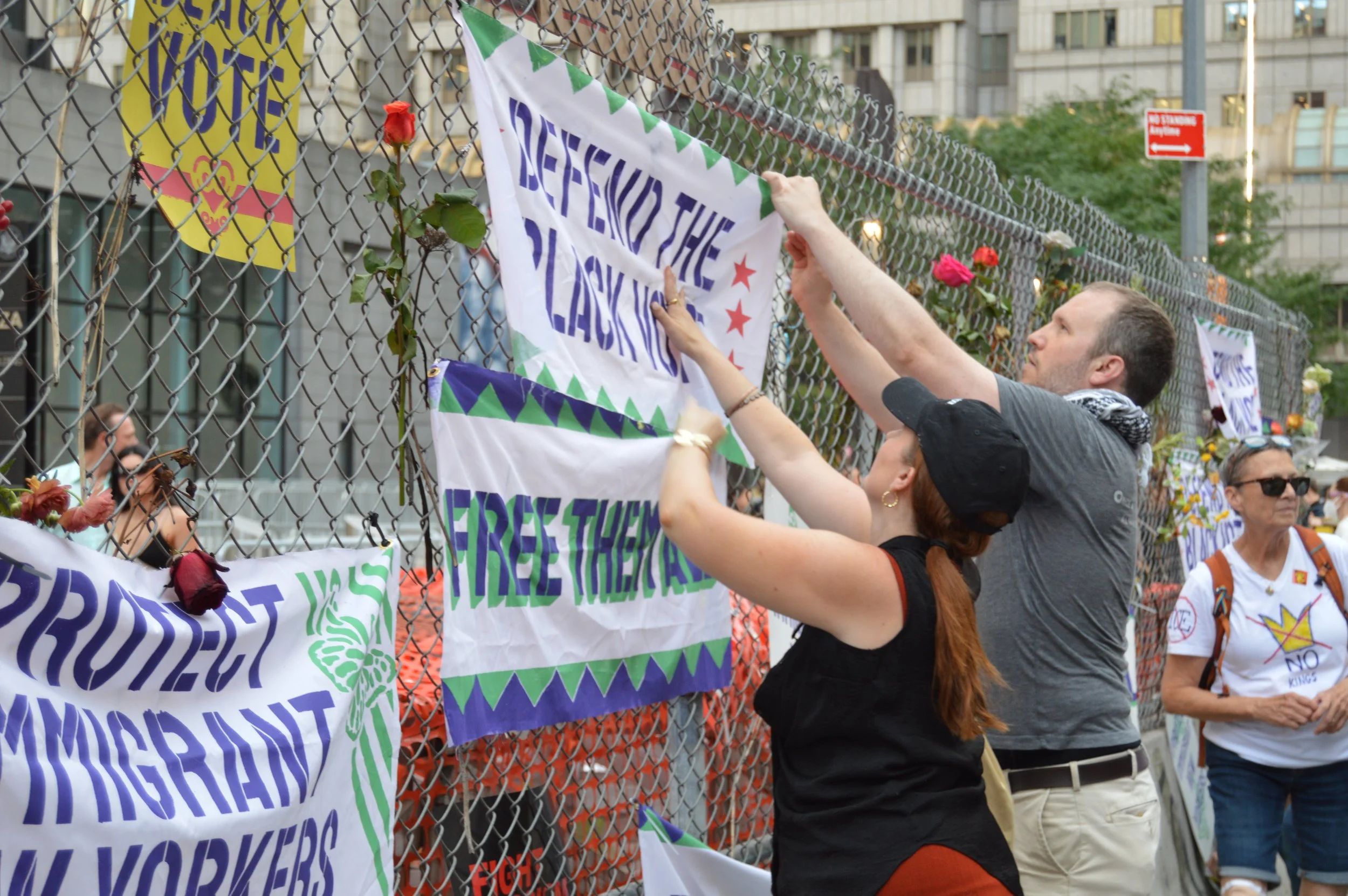
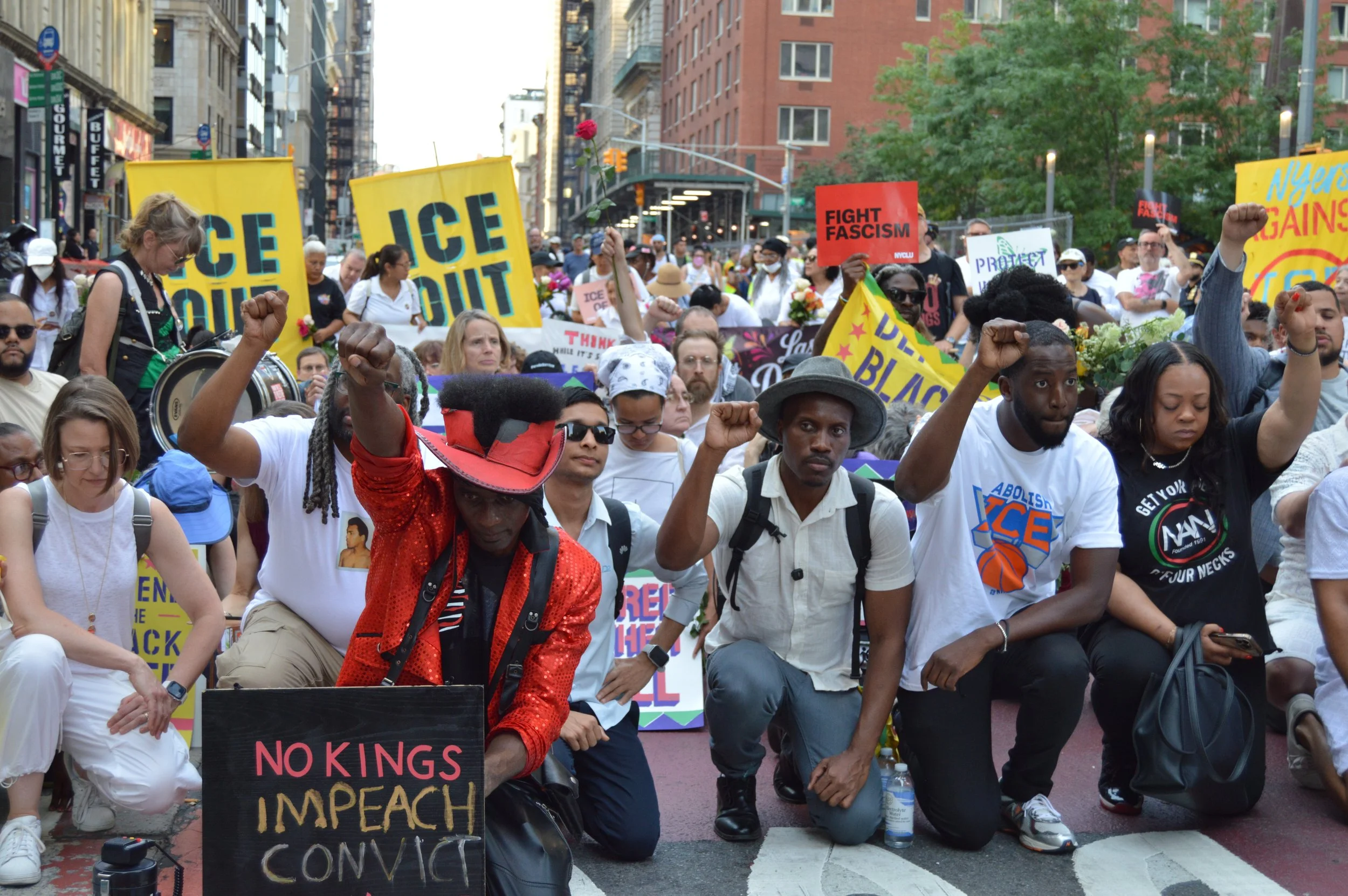
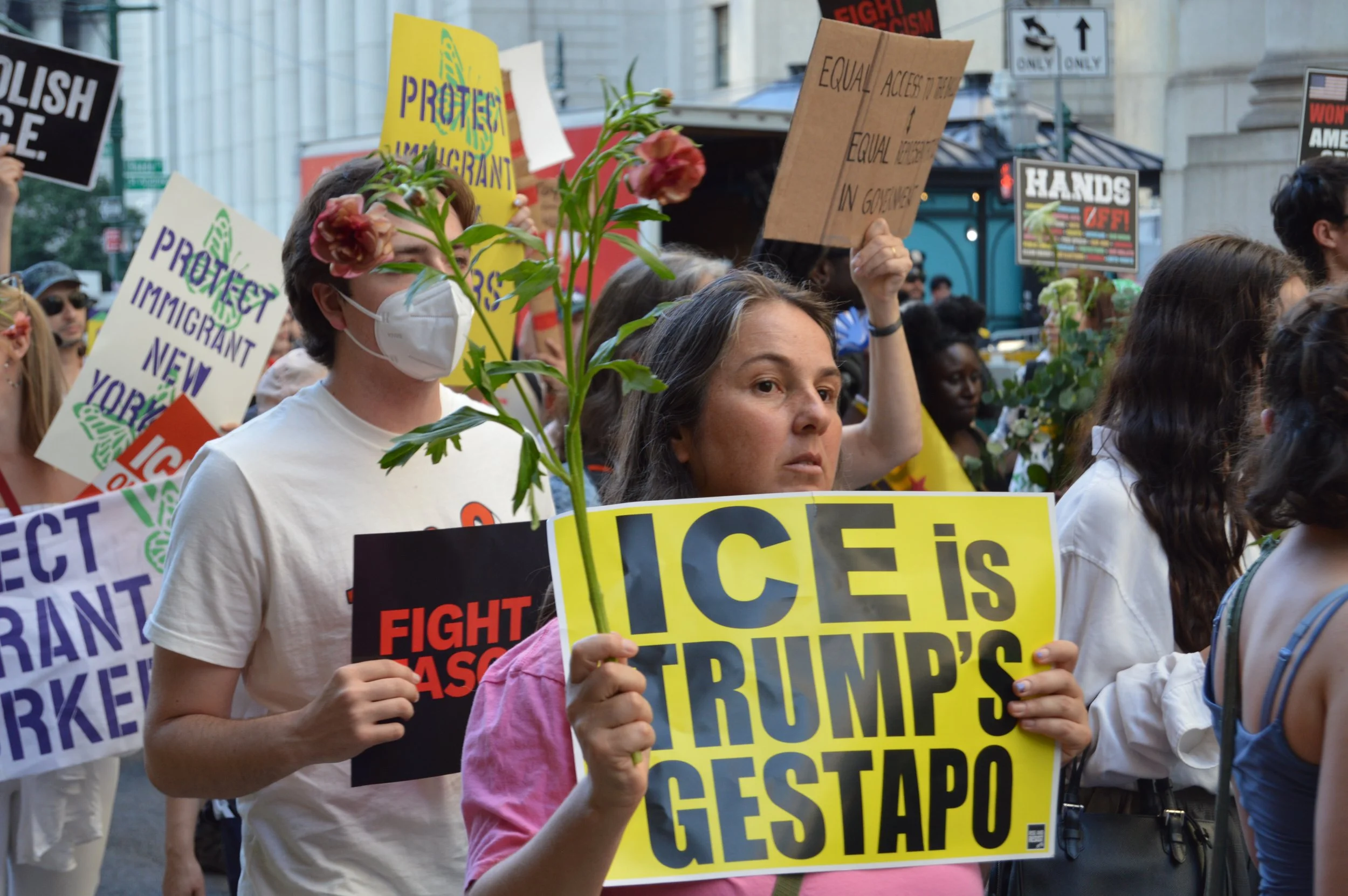
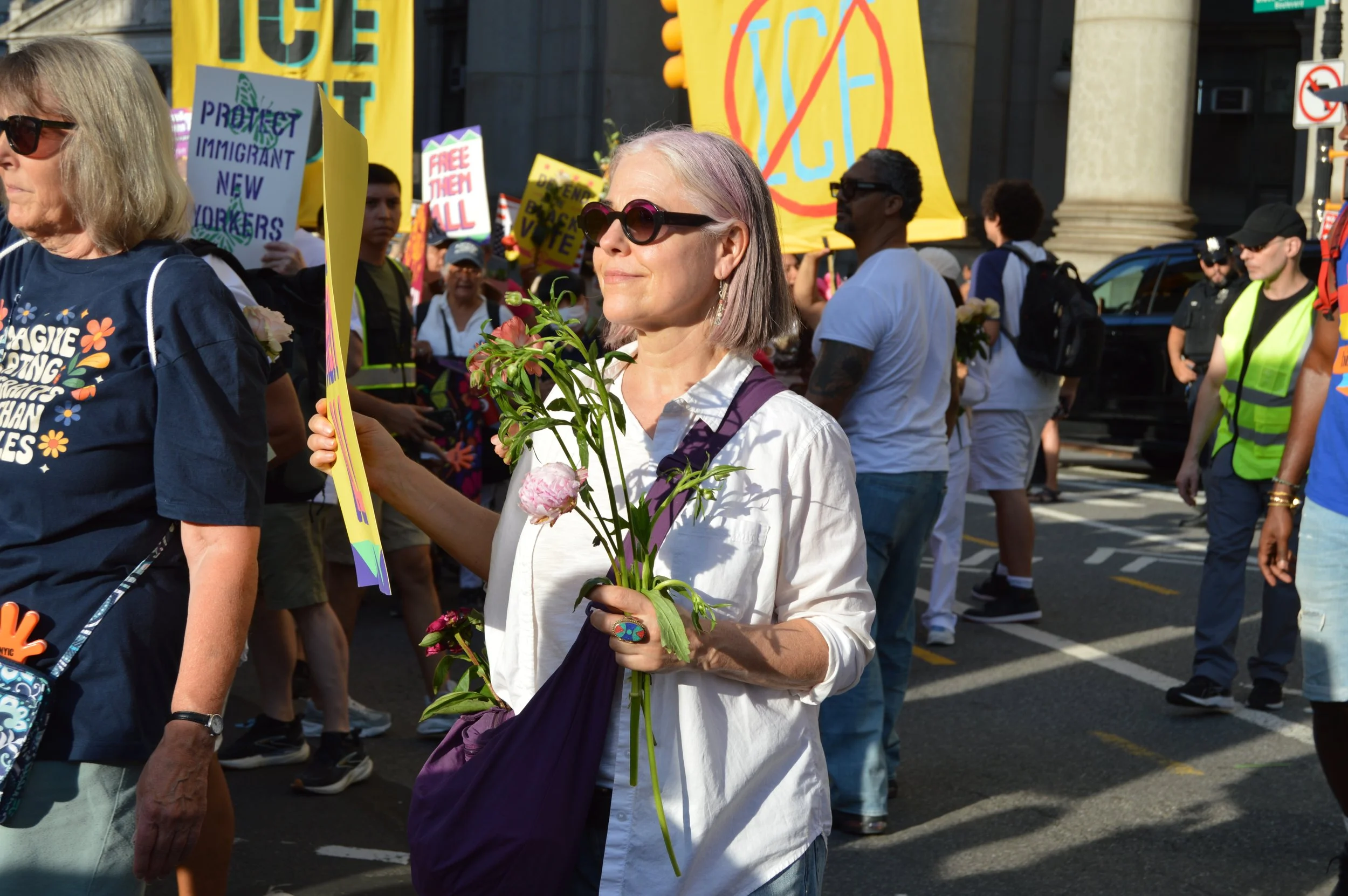
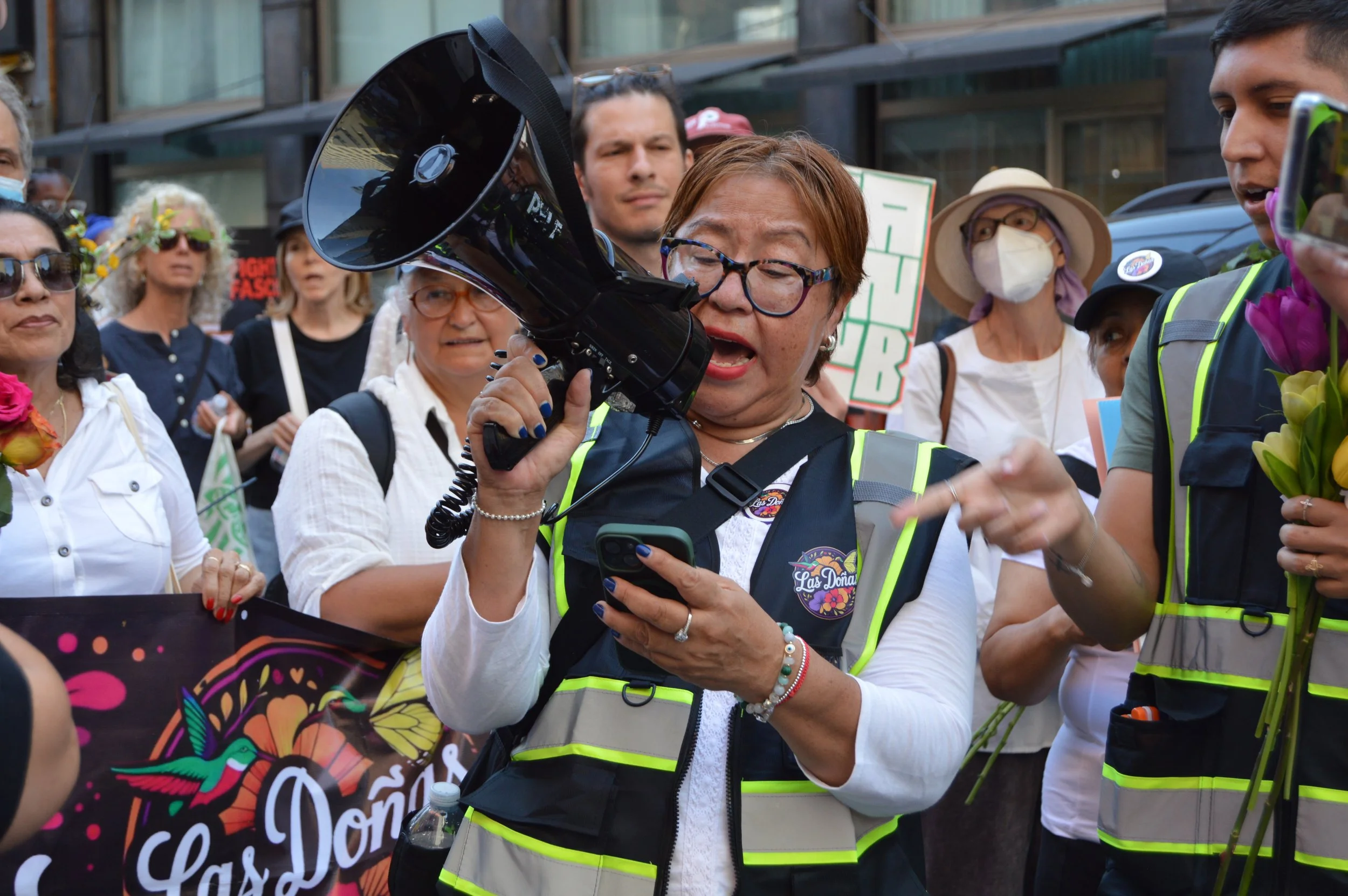
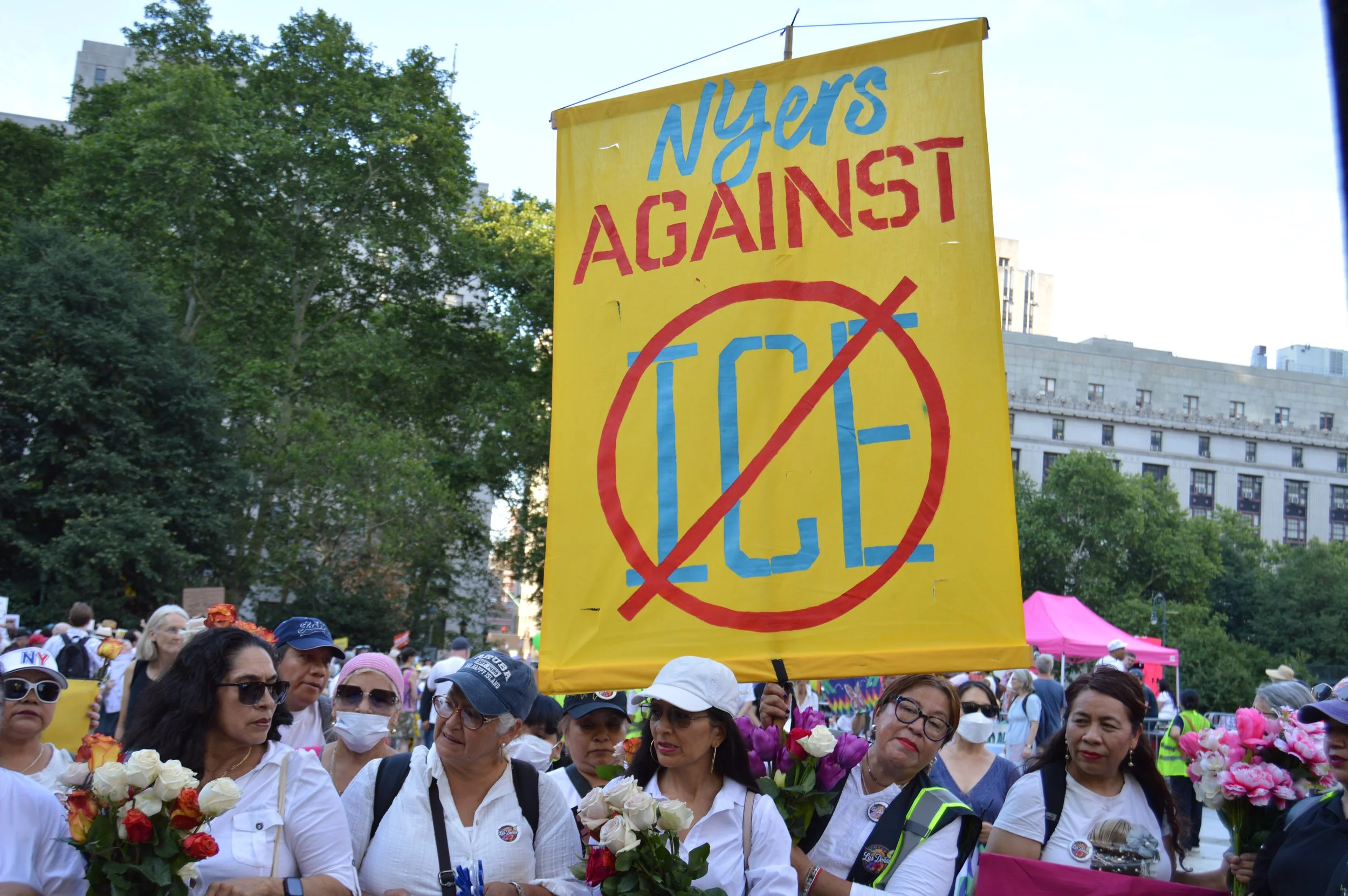
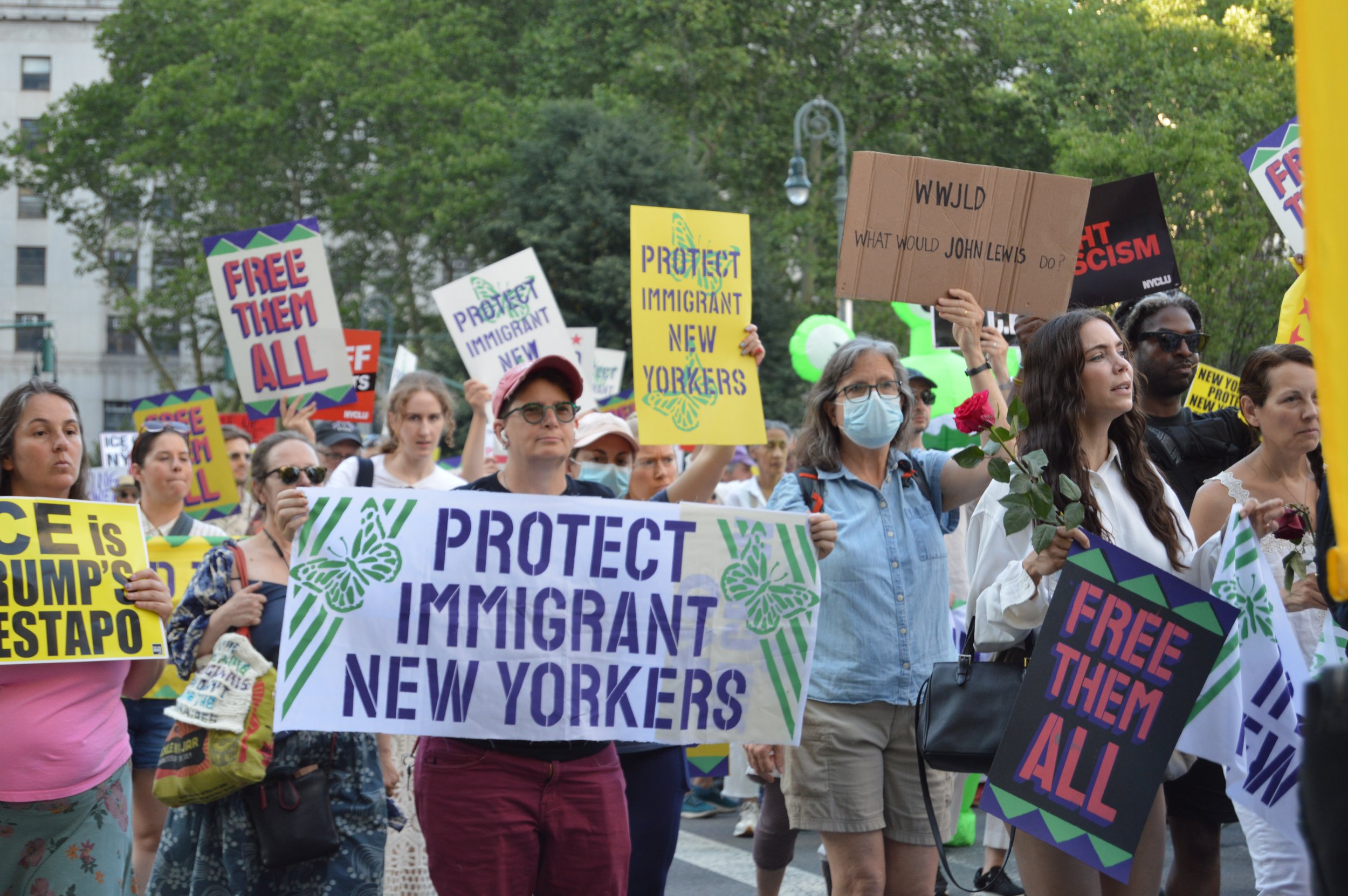
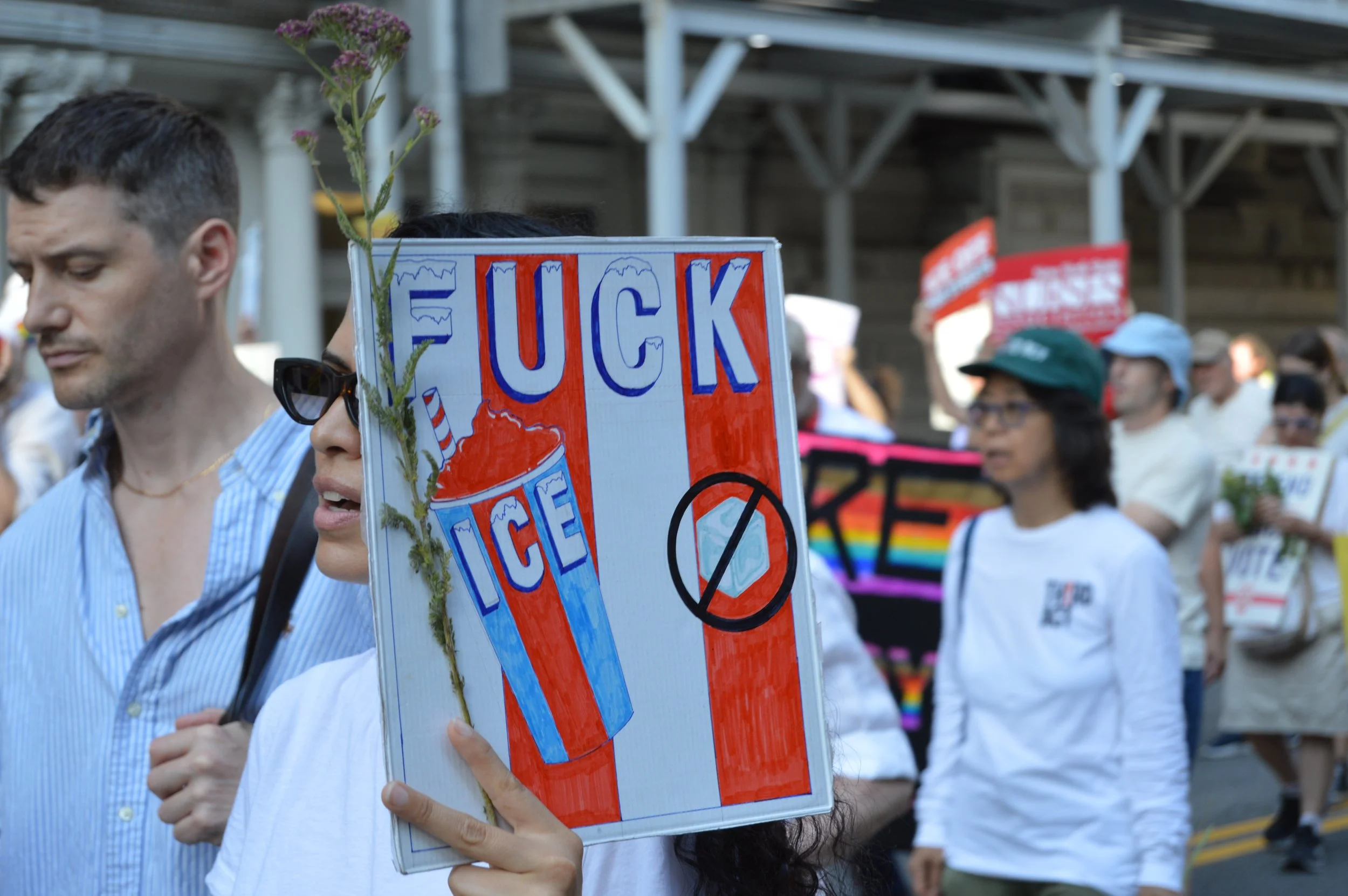
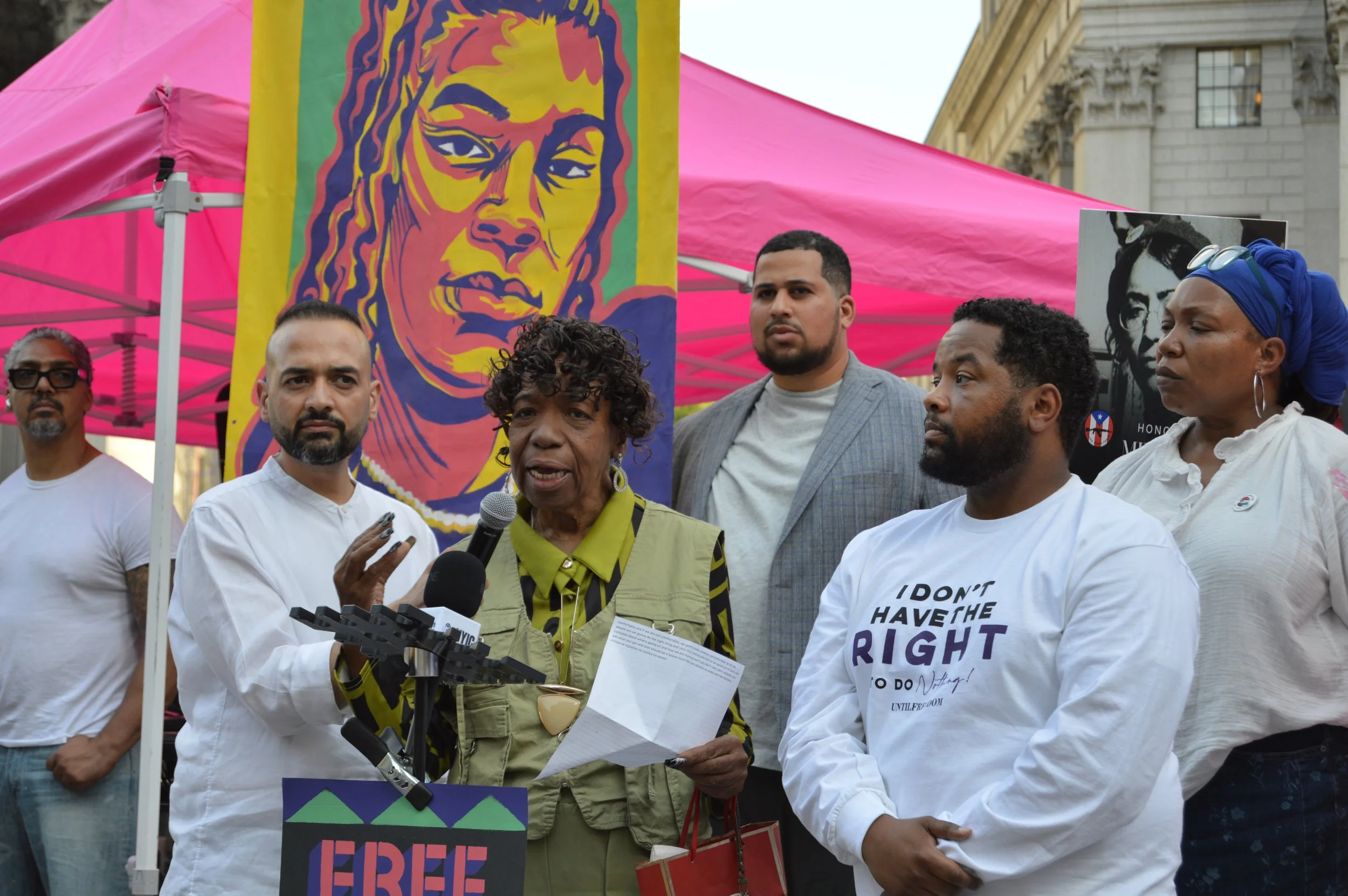
NEW YORK — As 5:30 p.m. approached, Foley Square filled with hundreds of people for the Good Trouble Lives On March and Rally. A coalition of organizations, including the New York Immigration Coalition, Democratic Socialists of America, and Rise and Resist, organized this event in honor of John Lewis.
John Lewis is known for leading hundreds of peaceful protesters on a march from Selma to Montgomery, Alabama. On Sunday, March 7, 1965, protesters attempted to cross the Edmund Pettus Bridge, where police attacked them. This event became known as “Bloody Sunday.” Many people were injured, including Lewis, whose skull was fractured. “Bloody Sunday” played a significant role in building support for the passage of the Voting Rights Act of 1965.
Signed by President Lyndon B. Johnson, the Voting Rights Act helped enforce the voting rights guaranteed by the 15th Amendment by prohibiting discriminatory voting requirements such as literacy tests.
In 2014, Lewis delivered the keynote address at Emory University, during which he urged the graduating class, “You must find a way to get in the way. You must find a way to get in trouble, good trouble, necessary trouble.”
Angelo Pinto, co-founder of Until Freedom, told the crowd, “The Trump administration is terrorizing immigrant communities, undermining black voting rights, attacking LGBTQ protections, and the freedoms generations fought to secure.”
More than six decades after Lewis marched for voting rights, speakers from multiple organizations invoked his practice of “good trouble” to connect civil rights struggles with current opposition to ICE arrests and detentions.
Murad Awawdeh, president and CEO of the New York Immigration Coalition, said, “The fight for civil rights and the fight for immigrant justice are part of the same struggle—rooted in the belief that every person deserves dignity, respect, and equal protection under the law.”
The principle of “good trouble” became a rallying point across a range of issues facing New Yorkers, including voting rights, police violence, and ICE arrests and detentions.
Gwen Carr, the mother of Eric Garner, said, “It’s been 12 years today that NYPD murdered my son. We all seen him be murdered on camera, and those disrespectful police officers didn’t spend a day in jail.” The crowd shouted, “Shame!”
Carr then spoke of ICE enforcement in New York and its effects on families, saying, “There’s no place here for ICE…They are taking children out of their mother’s arms. They’re taking men from their families and locking them up. And a lot of times you don’t know where they are. This has to stop!”
Allan Michael Marrero spoke about his arrest and detention by ICE. He was detained during a hearing at 26 Federal Plaza and spent more than five months in detention, during which he was transferred among multiple facilities across the United States.
For Marrero, the legacy of John Lewis means taking action. He said, “Take what breaks your heart and let it move your hand. Take your outrage and turn it into action. Take your compassion and turn it into community. Take your voice and use it for someone whose voice has already been taken away. Let us honor John Lewis, not just with our words, but with our actions.”
